
Impotence Medication: A Complete Guide to What It Is and What to Do
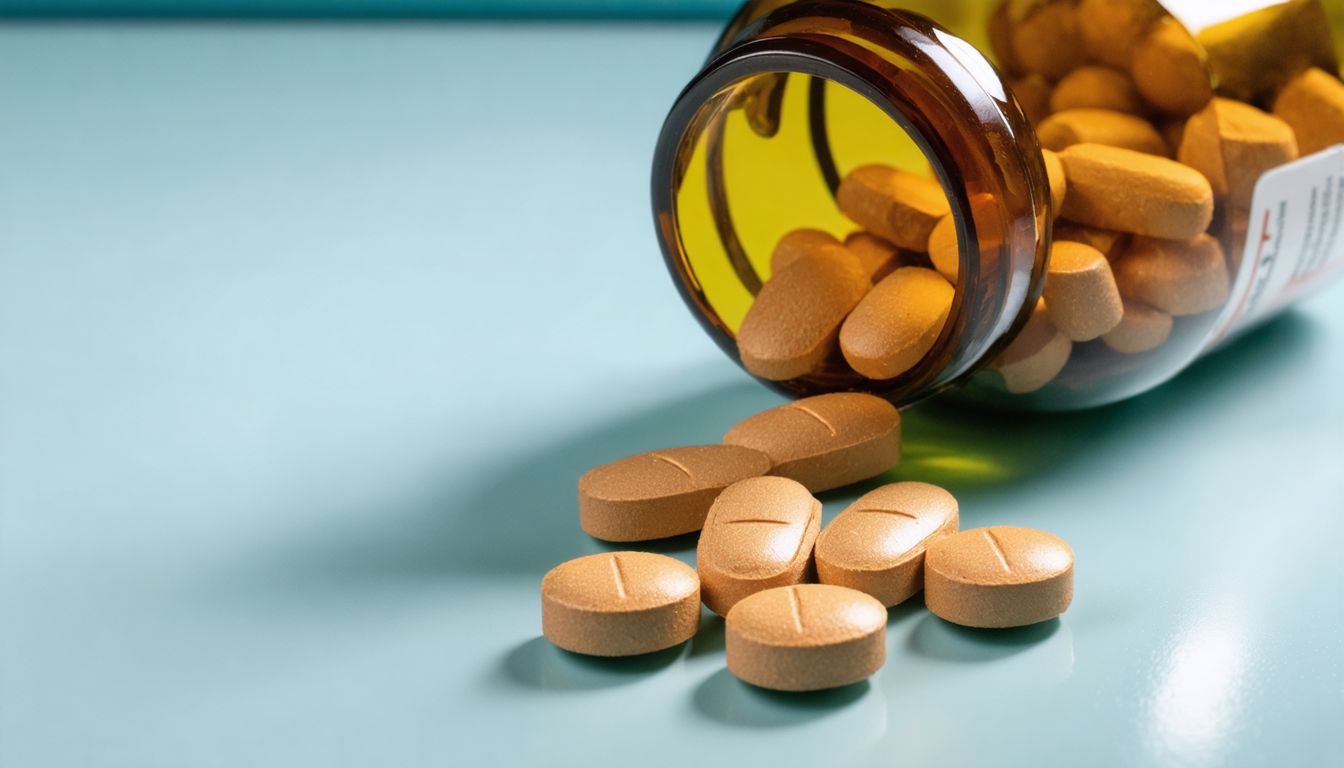
Impotence medication: what it is and what to do
Disclaimer: This information is educational and not a substitute for a doctor’s consultation. If you have symptoms of erectile dysfunction or questions about impotence medication, consult a qualified healthcare professional. Do not start, stop, or change any treatment without medical advice.
Quick summary in 30 seconds
- Impotence medication refers to treatments used to manage erectile dysfunction (ED), a condition where achieving or maintaining an erection is difficult.
- Common options include oral prescription drugs (such as PDE5 inhibitors), devices, injections, and lifestyle changes.
- ED can be linked to heart disease, diabetes, stress, or hormonal imbalance—so evaluation is important.
- Sudden ED, chest pain with sexual activity, or painful prolonged erections require urgent medical care.
What is “Impotence medication” (definition in simple terms)
Impotence medication is a broad term for medical treatments used to help men with erectile dysfunction (formerly called impotence). Erectile dysfunction means difficulty getting or keeping an erection firm enough for satisfactory sexual activity.
Medications for impotence most commonly include prescription oral drugs that improve blood flow to the penis. These are often called PDE5 inhibitors. Other treatment options may involve hormone therapy (if low testosterone is confirmed), penile injections, vacuum erection devices, or, in some cases, surgery.
ED is not only a sexual health issue—it can also be an early sign of cardiovascular disease. As we discuss in our Men’s Health and Prevention guide, sexual symptoms sometimes reflect broader health concerns.
Causes and risk factors
Erectile dysfunction usually has more than one contributing factor. Understanding the cause helps determine whether impotence medication is appropriate and which type may work best.
Physical causes
- Cardiovascular disease (narrowed or blocked blood vessels)
- High blood pressure
- Diabetes
- High cholesterol
- Obesity
- Hormonal disorders (e.g., low testosterone)
- Neurological conditions
- Side effects of certain medications (e.g., some antidepressants, blood pressure drugs)
Psychological causes
- Stress
- Anxiety (including performance anxiety)
- Depression
- Relationship difficulties
Lifestyle risk factors
- Smoking
- Excessive alcohol use
- Lack of physical activity
- Poor sleep
In some cases, ED may be temporary. In others, it may signal an underlying health condition that requires medical attention.
Symptoms and how to distinguish from similar conditions
The main symptom of erectile dysfunction is difficulty achieving or maintaining an erection suitable for intercourse. However, it’s important to distinguish ED from other concerns:
| Symptom | What it may mean | What to do |
|---|---|---|
| Occasional difficulty with erection | Common, often stress-related | Monitor; improve sleep and stress management |
| Persistent inability (3+ months) | Possible erectile dysfunction | Consult a doctor for evaluation |
| Low sexual desire | Possible hormonal or psychological cause | Hormone testing may be recommended |
| Painful or curved erection | Possible Peyronie’s disease | See a urologist |
| Premature ejaculation | Different sexual dysfunction | Requires different evaluation and treatment |
ED differs from infertility, which refers to difficulty achieving pregnancy. A man can have erectile dysfunction and normal sperm production, or vice versa.
Diagnosis (how it is usually confirmed, what tests/examinations are common)
Diagnosis of erectile dysfunction typically begins with a detailed medical history and physical examination. A doctor may ask about:
- Duration and severity of symptoms
- Medical conditions and medications
- Mental health and stress levels
- Lifestyle habits
Common diagnostic tests
- Blood tests: To check blood sugar, cholesterol, testosterone levels.
- Urine tests: To look for signs of diabetes or other conditions.
- Blood pressure measurement: Hypertension is a major risk factor.
- Ultrasound (in some cases): To assess blood flow in the penis.
Psychological screening may also be recommended if anxiety or depression is suspected. Early evaluation is important, especially since ED can be an early marker of cardiovascular disease.
Treatment and approaches (overview of options without prescribing treatment to the reader)
Treatment for erectile dysfunction depends on the underlying cause. Impotence medication is often part of a broader management plan.
1. Oral medications (PDE5 inhibitors)
These prescription drugs enhance blood flow to the penis during sexual stimulation. They do not cause automatic erections and require sexual arousal to work.
- Generally effective for many men
- May interact with nitrates and certain heart medications
- Should only be used under medical supervision
Follow the instructions and your doctor’s recommendations carefully.
2. Hormone therapy
If blood tests confirm low testosterone, hormone replacement may be considered. This is only appropriate when medically indicated.
3. Penile injections or suppositories
Medications delivered directly to the penis may be used when oral drugs are ineffective or contraindicated.
4. Vacuum erection devices
These mechanical devices create negative pressure to draw blood into the penis. They can be effective and are non-surgical.
5. Surgical options
Penile implants may be considered in severe cases when other treatments fail. Surgery carries risks and requires specialist consultation.
6. Lifestyle modification
In many men, improving cardiovascular health improves erectile function. Our Healthy Living section discusses practical strategies such as regular exercise and balanced nutrition.
7. Psychological counseling
For stress-related or anxiety-related ED, therapy can be highly beneficial—sometimes in combination with medication.
Possible complications and when to see a doctor urgently (red flags)
While impotence medication is generally safe when prescribed appropriately, complications can occur.
Seek urgent medical care if you experience:
- Chest pain during sexual activity
- An erection lasting more than 4 hours (priapism)
- Sudden vision or hearing loss
- Severe allergic reactions
Additionally, sudden onset erectile dysfunction—especially in men with risk factors—may signal cardiovascular problems. Early evaluation can be life-saving.
We explore warning signs of systemic disease in our Preventive Health Reports, emphasizing why symptoms should not be ignored.
Prevention and lifestyle
Not all cases of ED are preventable, but many risk factors are modifiable.
Evidence-based preventive strategies
- Regular aerobic exercise
- Maintaining a healthy weight
- Controlling blood pressure, cholesterol, and blood sugar
- Stopping smoking
- Limiting alcohol
- Managing stress
- Getting adequate sleep
Nutrition also plays a role in vascular health. For more on heart-friendly recipes and lifestyle habits, visit our Wellness & Nutrition insights.
FAQ
1. Are impotence medications safe?
For many men, prescription ED medications are safe when used under medical supervision. However, they are not appropriate for everyone, especially those taking nitrates.
2. Can young men need erectile dysfunction medication?
Yes. ED can affect younger men, often due to psychological stress, performance anxiety, or lifestyle factors. Evaluation is still important.
3. Do these medications increase sexual desire?
No. Most oral ED drugs improve blood flow but do not increase libido. Low desire may indicate hormonal or psychological factors.
4. Can lifestyle changes alone reverse ED?
In some cases—especially when related to obesity, inactivity, or smoking—lifestyle improvements can significantly help. Results vary.
5. Is erectile dysfunction permanent?
Not always. Some causes are temporary or reversible. Others may require ongoing management.
6. Can I take over-the-counter supplements instead?
Many supplements claim to treat impotence, but scientific evidence is often limited or inconsistent. Some may interact with medications. Always consult a healthcare provider.
7. Does ED mean I have heart disease?
Not necessarily, but ED can be an early warning sign of vascular disease. A medical evaluation helps clarify your risk.
8. When should I see a doctor?
If symptoms persist for more than a few weeks, interfere with quality of life, or appear suddenly, schedule an appointment.
Sources
- National Institute of Diabetes and Digestive and Kidney Diseases (NIDDK): https://www.niddk.nih.gov/
- Mayo Clinic – Erectile Dysfunction: https://www.mayoclinic.org/
- American Urological Association (AUA): https://www.auanet.org/
- National Institutes of Health (NIH): https://www.nih.gov/
- World Health Organization (WHO): https://www.who.int/
Final note: Erectile dysfunction is common and treatable. Impotence medication can be effective, but it works best as part of a comprehensive health approach. If you are concerned about symptoms, seek professional medical advice for safe and personalized care.